
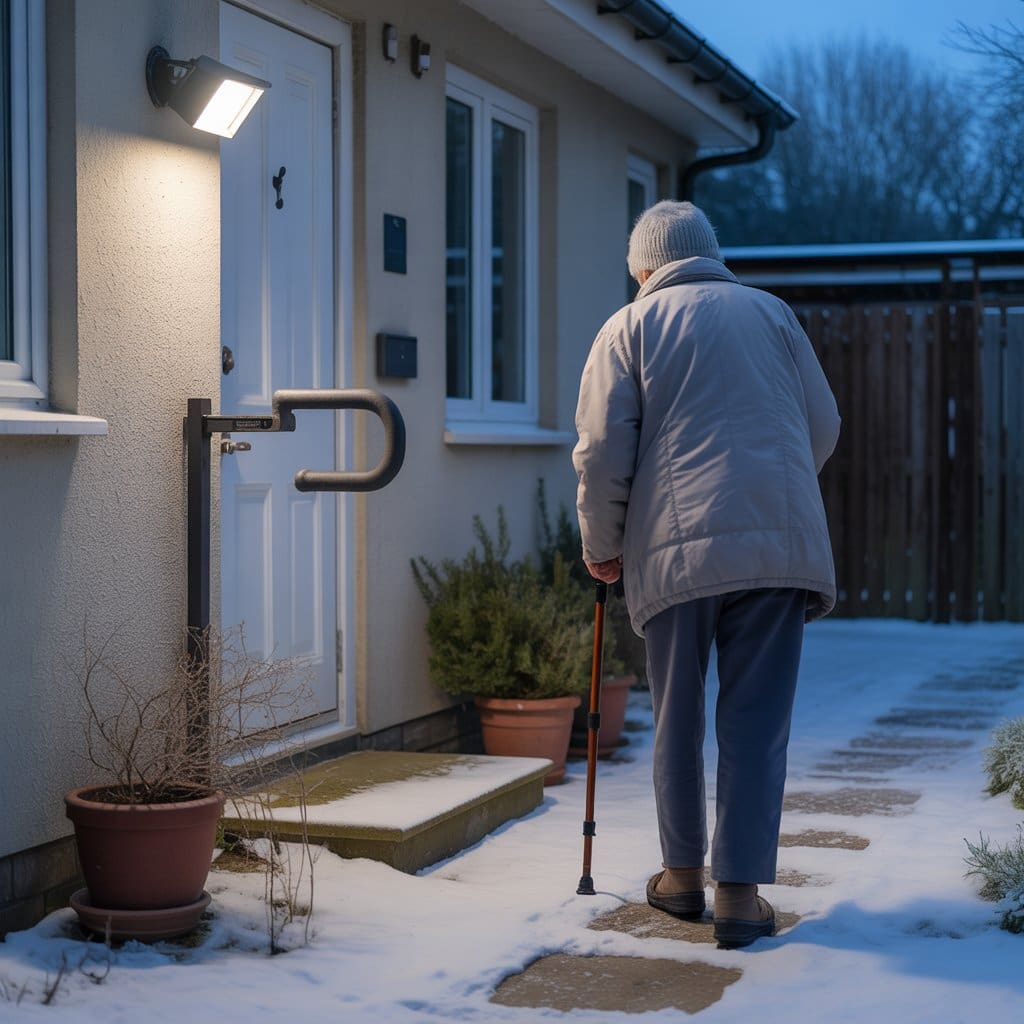
Winter Safety: Essential Tips for the Elderly
As winter approaches, the weather can bring significant changes that impact the daily lives of elderly individuals. From icy sidewalks to freezing temperatures, winter safety becomes a priority for seniors and their families. This blog outlines important considerations and actionable tips to ensure that older adults stay safe and healthy during the colder months.
Understanding Weather Changes
Winter weather often includes snow, ice, and freezing temperatures. These changes can pose risks for seniors, who may have mobility issues or health concerns. Understanding these risks is the first step toward effective winter safety. Cold weather can exacerbate conditions like arthritis and increase the likelihood of falls due to slippery surfaces.
Key Winter Safety Tips
- Dress Appropriately: Layering clothing is crucial for winter. Seniors should wear thermal layers, waterproof outerwear, and non-slip footwear to stay warm and prevent slips.
- Stay Indoors During Severe Weather: If winter storms are forecasted, it’s wise for seniors to stay indoors. Encourage them to stock up on food and medications before bad weather hits, ensuring they have everything they need without venturing out.
- Manage Heating Systems: Proper heating is vital for winter safety. Seniors should check their heating systems to ensure they are functioning correctly. Using space heaters can be effective, but it’s essential to follow safety guidelines to prevent fires.
- Enhance Mobility and Visibility: As the days grow shorter, proper lighting becomes crucial for winter safety. Installing motion-sensor lights along walkways and entrances can help seniors navigate safely after dark. Removing loose stones or repairing steps on walkways ensures a clear path, reducing the risk of falls.
- Install Support Handles: For those living in homes with steps, adding handles or railings can provide essential support when going up or down. This simple adjustment significantly enhances winter safety for seniors.
- Use Large Clocks: For seniors experiencing confusion or dementia, having a large, easy-to-read clock can help them maintain a sense of time. This can prevent them from going to bed too early or disrupting their daily routines.
- Bedside Lighting Solutions: Placing a lamp next to the bed on a timer can be an effective winter safety tip. This ensures that if seniors forget to turn on a light, it creates the appearance that someone is home, deterring potential burglars.
- Stay Active Indoors: Physical activity can help maintain strength and balance, which is crucial for preventing falls. Seniors should engage in indoor exercises, such as stretching or light aerobics, to promote winter safety.
- Be Prepared for Emergencies: Having a plan in place for emergencies is a key aspect of winter safety. Seniors should keep a charged cell phone with emergency contacts readily available. It’s also beneficial to have a neighbor or family member check in during severe weather.
Community Resources
Local community centers often provide resources for winter safety, including transportation services and meal deliveries. Encourage seniors to take advantage of these services, especially during harsh weather conditions.
Conclusion
As winter weather changes, it’s essential to prioritize winter safety for the elderly. By taking proactive measures—such as dressing appropriately, enhancing mobility and visibility, and ensuring proper heating—seniors can enjoy a safer winter season. Family members and caregivers play a pivotal role in helping older adults navigate these challenges, ensuring they remain safe, healthy, and engaged throughout the winter months. Let’s make this winter one of safety and warmth for our beloved seniors!