
Help Washing and Encouraging Independence
Personal Care
Personal care is essential for maintaining hygiene and overall well-being, especially for individuals with limited mobility. This blog explores various methods of personal care, emphasizing the importance of encouraging independence while providing necessary assistance. We’ll cover washing in bed, using an electronic bath chair, and showering, all while ensuring skin integrity and comfort.
Washing in Bed: A Practical Solution
For those who may struggle to get out of bed, washing in bed can be a practical solution. This method allows individuals to maintain personal hygiene without the need for extensive mobility. Caregivers can assist with washing the face, hands, and other areas using gentle cleansing wipes or a warm, damp cloth. While the concept of “help washing” is crucial, it’s important to encourage individuals to participate as much as possible in their own care. This approach fosters a sense of independence and dignity.
Bathing with an Electronic Bath Chair
For those who prefer a bath, an electronic bath chair can make the experience both safe and enjoyable. These chairs provide support and stability, allowing individuals to sit comfortably while bathing. Caregivers can help with washing by providing soap and a washcloth, while still encouraging the individual to wash their own face and other accessible areas. Balancing assistance with independence ensures that “help washing” enhances the bathing experience.
Showering: Options for Safety and Comfort
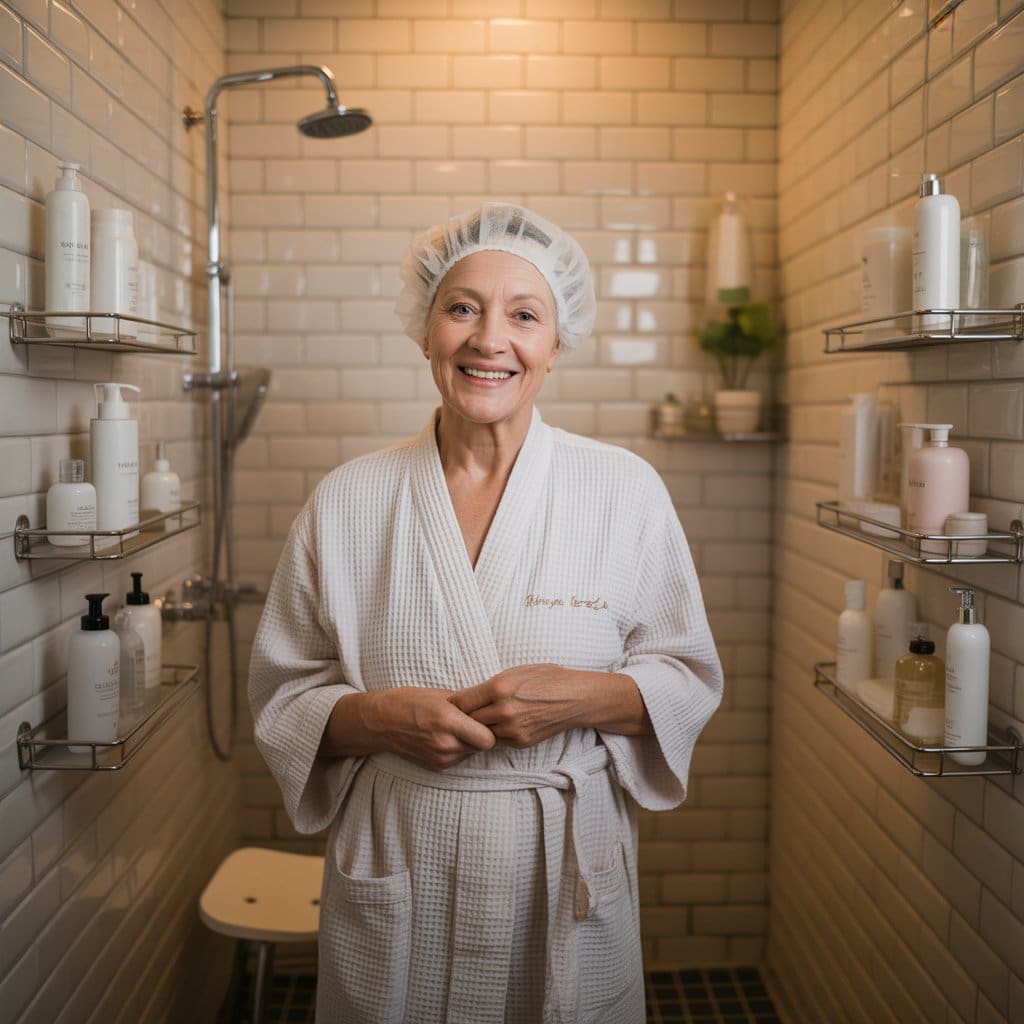
Shower time can be refreshing, and with the right equipment, it can be accessible for everyone. For those who can stand, having a shower chair nearby provides support and safety. For individuals who require more assistance, a hoist can help transfer them from their bed or chair into the shower. Once in the shower, caregivers can assist with washing the body as needed while encouraging individuals to wash their own face and other reachable areas. The concept of “help washing” remains a guiding principle here, ensuring that individuals feel engaged in their personal care.
Hair and Dental Care: Essential Hygiene Practices
Brushing and washing hair is an integral part of personal care. Caregivers can assist with this task by holding the shampoo and providing rinsing support. However, individuals should be encouraged to participate in washing their own hair, promoting a sense of accomplishment and independence. For oral hygiene, brushing teeth is essential. Caregivers can help by preparing the toothbrush and toothpaste, allowing individuals to perform the brushing themselves and reinforcing the idea of “help washing” in daily routines.
Clothing Care and Maintaining Skin Integrity
Taking care of clothes is another important aspect of personal care. Clean and comfortable clothing can significantly enhance an individual’s well-being. Additionally, moisturizing the skin is vital for maintaining its integrity. Regularly applying moisturizer can help prevent dryness and cracking, which lowers the risk of infection. Caregivers can assist with applying lotion, but it’s beneficial to encourage individuals to apply moisturizer to their own hands and face.
The SilverBirch Commitment to Dignified Care
At SilverBirch, we prioritize the dignity and well-being of our clients. Our caregivers know to treat each client with the respect and care that we would expect for our own family members. This means ensuring that individuals are well looked after and feel good about themselves. We encourage our caregivers to go the extra mile by helping clients maintain their personal style, whether that means applying their favorite perfume, putting on lipstick, or styling their hair.
This attention to detail helps our clients to keep looking and feeling like themselves, which is vital for emotional well-being. By fostering a sense of identity and self-worth through personal care, we enhance the quality of life for our clients. This ensures that they are treated with the dignity they deserve while encouraging independence and active participation in their care routines.