
Autumn Diet: Keeping Hydrated in Cooler Months
As the leaves change color and autumn settles in, it’s crucial to focus on a diet that supports the health of elderly individuals. Many people mistakenly believe that with the cooler temperatures, the need for hydration diminishes. However, this couldn’t be further from the truth. A diet rich in fluids is vital, especially for seniors, who may not drink enough throughout the season.
Understanding the Needs of an Autumn Diet
An autumn diet should emphasize hydration, despite the cooler weather. Elderly individuals often have reduced thirst sensations, which can lead to inadequate fluid intake. During autumn, with central heating and wearing layers, seniors may not realize they are sweating or losing fluids. Therefore, it’s essential to prioritize a diet that encourages hydration.
Encouraging Fluid Intake
- Warm Beverages: Incorporating warm drinks into an autumn diet can be comforting and hydrating. Herbal teas, warm water with lemon, and decaffeinated coffee are excellent choices to include.
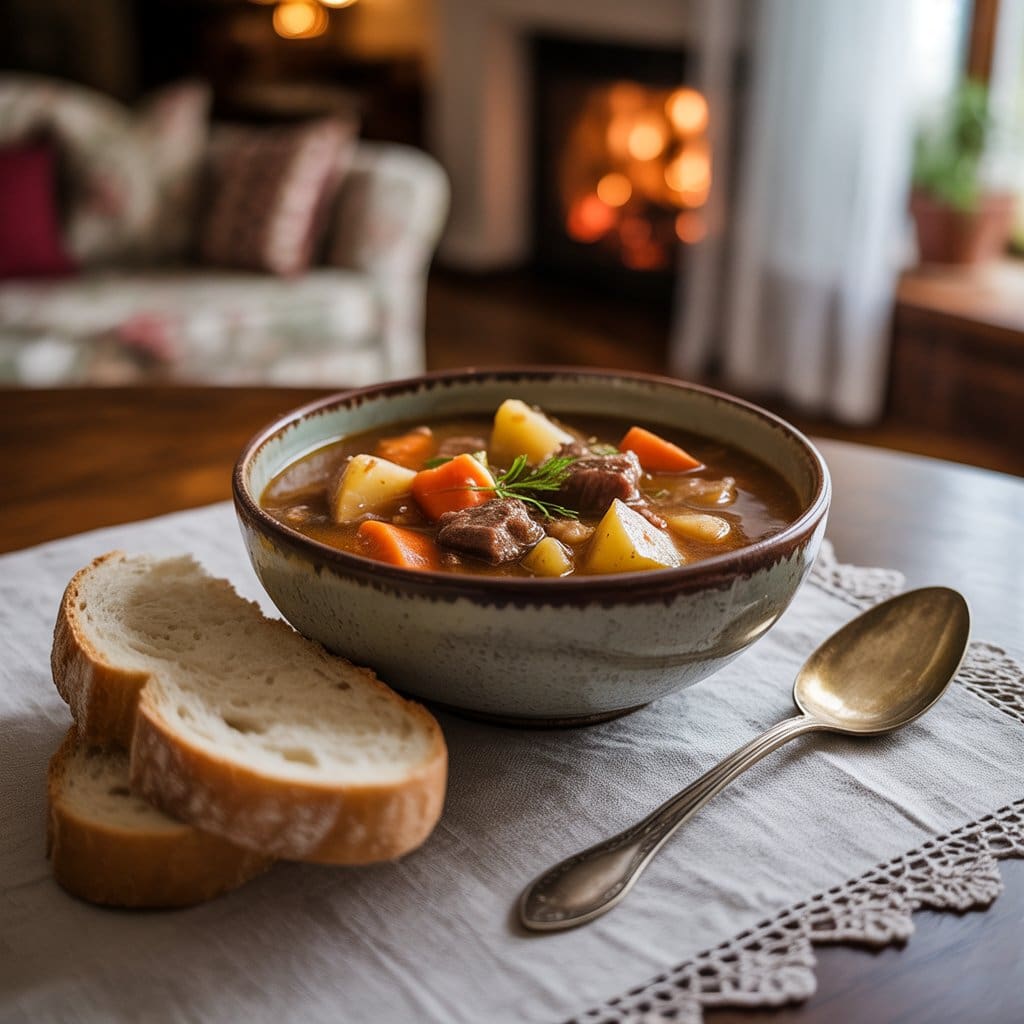
- Soups and Stews: A staple of any autumn diet, soups and stews are perfect for maintaining hydration levels. These hearty meals provide essential nutrients and fluids that help keep seniors hydrated during the fall months.
- Hot Squash: Hot squash beverages can also be a delightful addition to an autumn diet. They offer warmth and hydration, making them a cozy choice as the weather cools down.
- Fruits and Vegetables: An autumn diet should also include water-rich fruits and vegetables. Items like oranges, cucumbers, and tomatoes not only add flavor but also contribute to overall hydration.
- Smoothies: For those who prefer something refreshing, smoothies can be a fantastic addition to an autumn diet. Combining fruits, yogurt, and even leafy greens can create a nutritious and hydrating drink.
Portion Sizes and Meal Frequency
When planning an autumn diet for elderly individuals, it’s essential to consider portion sizes and meal frequency. Many seniors may not have a large appetite and might find it challenging to eat three substantial meals a day. Instead, providing smaller portions more frequently can be beneficial. This approach allows them to enjoy a variety of foods without feeling overwhelmed.
Snacks can be an excellent way to bridge the gaps between meals, but it’s important to encourage healthier options. Rather than reaching for biscuits and cakes, consider offering nutrient-dense snacks like nuts, yogurt, or fruit. Additionally, starting the day with a warm bowl of porridge topped with winter berries or other fruits can provide a nourishing and hydrating breakfast that’s easy to digest and satisfying.
The Role of an Autumn Diet in Overall Health
In summary, focusing on diet is essential for elderly individuals to maintain proper hydration. As temperatures drop, the need for fluids does not decrease; rather, it becomes even more critical. By incorporating warm beverages, hearty soups, and water-rich foods into their diet, along with smaller, more frequent meals and healthy snacks, we can help ensure that our elderly loved ones stay hydrated and healthy throughout the fall season.
Encouraging a diet that prioritizes hydration and mindful eating will not only support their physical health but also enhance their overall well-being. As we embrace the beauty of autumn, let’s remember that staying hydrated is a key component of a healthy diet.